Due to a recent change in our pharmacy software system, the process for submitting refill requests online has now changed.
Our previous mobile app and your current login credentials will no longer work.
Please click the Patient Portal tab to begin the new process.
Thank you for your patience during this transition.

Recursos del Paciente
Manténgase sano!
New Guidelines Highlight Behavioral Therapy For Insomnia
- April 24, 2026
- Dennis Thompson HealthDay Reporter
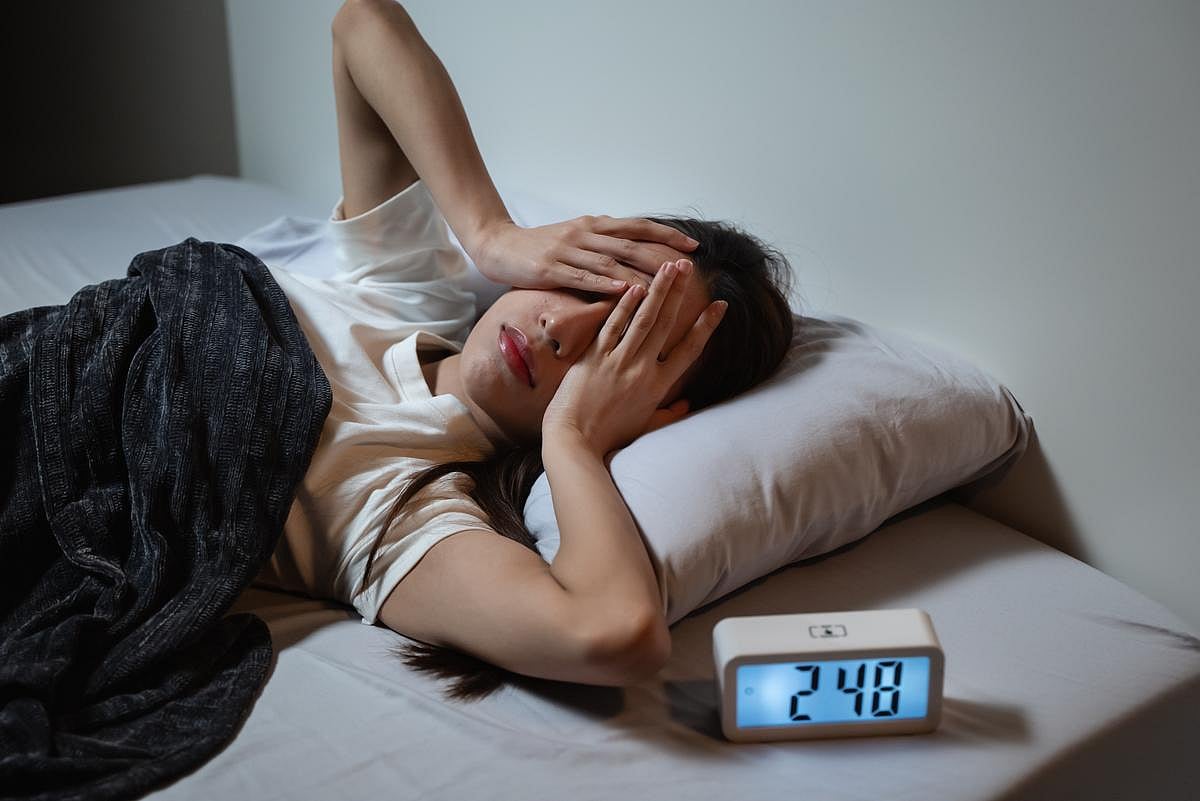
Combining medications with behavioral therapy to treat chronic insomnia might not be best for all patients, a new practice guideline says.
Cognitive behavioral therapy for insomnia (CBT-I) works best on its own, but can be combined with sleep meds for some patients, according to the guideline published in the Journal of Clinical Sleep Medicine.
Sleep meds on their own produce the least benefit when treating insomnia, researchers found.
“Combination therapy for insomnia is widely used in clinical practice, yet the evidence guiding how and when to combine treatments has been surprisingly limited,” said lead researcher Dr. Daniel Buysse, a professor of psychiatry, medicine, and clinical and translational science at the University of Pittsburgh.
“Our analysis suggests that CBT-I by itself is the most efficacious first-line treatment for insomnia,” he said in a news release. “However, using medication with CBT-I may provide modest benefit for some specific outcomes, such as total sleep time.”
Between 10% and 15% of adults are affected by chronic insomnia, researchers said in background notes.
Previously, guidelines recommended either using medications or behavioral therapy, but did not address combining the two approaches, researchers noted.
To craft these new recommendations, the American Academy of Sleep Medicine commissioned a task force of sleep experts to systematically review the existing evidence related to treatments for insomnia.
Results showed that cognitive-behavioral therapy was the best way to help people get the sleep they needed.
Behavioral therapy by itself produces meaningful and durable improvements without the side effects that can come from prescription meds, researchers concluded.
However, they added that behavioral therapy also could be combined with drugs for some patients.
The guidelines said using sleep drugs on their own produced the least benefit, and should be used in combination with behavioral therapy.
These included medications to manage sleep onset insomnia (triazolam, ramelteon, zaleplon); sleep maintenance insomnia (doxepin, suvorexant); and combined sleep onset and maintenance insomnia (temazepam, zolpidem, eszopiclone).
These recommendations were offered with an asterisk, however – there’s not a lot of evidence behind them, and more research is needed.
Instead, the guidelines recommend people talk to their doctor about what’s best for them.
“These recommendations are meant to support thoughtful, patient‑centered decision‑making rather than a one‑size‑fits‑all approach,” Buysse said.
More information
The Sleep Foundation has more on insomnia.
SOURCES: American Academy of Sleep Medicine, news release, April 21, 2026; Journal of Clinical Sleep Medicine, April 21, 2026
